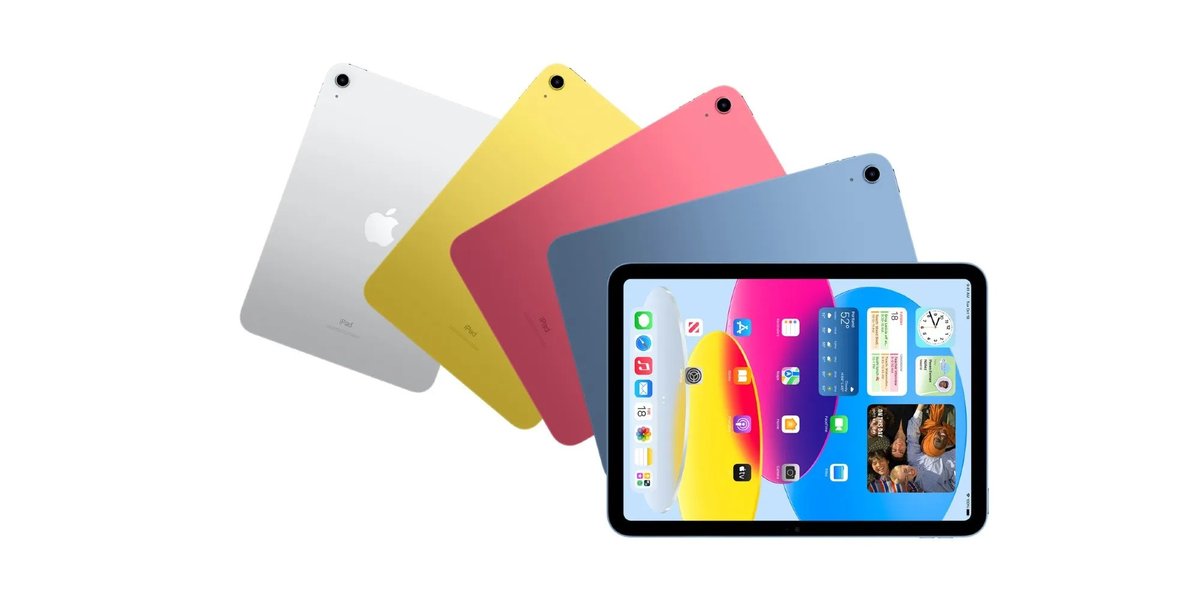
Navigating the world of iPads can feel like a maze, especially when you're weighing the smart financial move of a refurbished iPad 10th Gen against new models, older iterations, and even compelling alternatives. It’s more than just price; it's about finding the sweet spot where performance, longevity, and your budget perfectly align. As someone who’s seen countless tech trends come and go, I can tell you that "new" isn't always "better," and "refurbished" certainly doesn't mean "second-best."
We’re diving deep into the options, peeling back the marketing layers to reveal what truly matters for your next tablet purchase. Forget the guesswork—we're here to empower your decision with solid, actionable insights.
At a Glance: Quick Takeaways for Your iPad Hunt
- Refurbished Apple Products Are Trustworthy: Apple’s certified refurbished program means rigorous testing, genuine parts, and full warranty coverage, making them a safe bet.
- iPad 10th Gen (New) is a Great Entry Point: Offers a modern design, USB-C, and Center Stage, ideal for casual use, media consumption, and basic productivity.
- Refurbished iPad Air Often Offers Superior Value: A refurbished 4th or 5th-generation iPad Air frequently provides a better display, stronger performance (especially the A15 models), and 2nd-gen Apple Pencil support for a similar price.
- Performance is Key for Longevity: The A15 Bionic chip in the iPad Air (5th Gen) offers significantly more headroom for future iOS updates and demanding apps compared to the A14 in the iPad 10th Gen.
- Accessory Ecosystem Matters: Consider Apple Pencil compatibility (1st Gen for iPad 10, 2nd Gen for iPad Air) and charging methods when making your choice.
- Always Buy Certified Refurbished: Stick to Apple’s official refurbished store or authorized resellers to ensure quality, warranty, and support.
Deciphering "Refurbished": What Apple's Seal Really Means
Let's clear the air about refurbished tech, particularly when it comes to Apple. There's a common misconception that "refurbished" is just a fancy word for "used" or "repaired junk." This couldn't be further from the truth, especially for Apple Certified Refurbished products.
When Apple refurbishes a device, it undergoes a rigorous certification process. This isn't just a quick once-over; it's a meticulous inspection, testing, and cleaning. Any defective parts are replaced with genuine Apple components, and the device receives a new battery and outer shell. Essentially, you're getting a device that looks and performs like new, often indistinguishable from a brand-new unit.
The Apple Certified Difference
Beyond the physical overhaul, every Apple-certified refurbished product includes a one-year warranty, AppleCare eligibility, and free shipping/returns. This means you get the same peace of mind and support as buying a brand-new device, but at a significantly lower price point. It’s a smart way to get premium Apple hardware without the premium price tag, helping you make a more informed choice when considering the world of refurbished Apple products.
The Main Event: iPad 10th Gen (New) vs. Refurbished iPad Air (The Smart Alternative)
This is where the rubber meets the road. Many buyers, eyeing the iPad 10th Gen, might overlook how a similarly priced, Apple-certified refurbished iPad Air can offer a dramatically different experience. Let's break down the core differences that impact your day-to-day use and long-term satisfaction.
Processing Power: A14 vs. A15 Bionic Showdown
At the heart of any iPad is its chip, dictating everything from app launch speeds to multitasking prowess.
- iPad 10th Gen: This model features the A14 Bionic chip. First introduced with the iPhone 12 series in 2020, it's built on a 5nm process. For everyday tasks—browsing, video streaming, light productivity, and casual games—the A14 is perfectly capable. It's responsive and handles iPadOS smoothly. However, it lacks significant headroom for sustained demanding workloads.
- Refurbished iPad Air (4th & 5th Gen): This is where it gets interesting.
- iPad Air (4th Gen) also uses the A14 Bionic chip, so its raw CPU performance is comparable to the iPad 10th Gen.
- iPad Air (5th Gen), however, sports the much more potent A15 Bionic chip (the same one found in the iPhone 13 lineup). Crucially, the iPad Air's A15 variant includes a five-core GPU, providing up to 40% better graphics performance than the A14. This isn't just a number; it translates directly into smoother animations, quicker app launches, and noticeably better responsiveness for tasks like advanced photo editing, digital illustration, and more graphically intensive gaming, especially when you're juggling apps with Split View or Slide Over.
Beyond Just Numbers: Real-World Speed
Think of it like this: the A14 is a robust sedan, perfectly fine for daily commutes. The A15 is a sports car—it still handles daily commutes effortlessly, but it has the power to accelerate quickly and handle more challenging roads with grace. For serious work or those who hate waiting, that extra punch from the A15 makes a real difference.
Actionable Insight: Verifying Your Refurbished Air's Chip
When you're looking at a refurbished iPad Air, especially if performance is a top priority, always verify the exact model number to confirm if it has the A14 or the A15 chip. This single detail dramatically affects its performance ceiling and how long it will feel "fast" as software demands increase. Apple's refurbished listings usually specify the generation.
Screen Savvy & Sleek Design: Laminated Clarity vs. Everyday View
The display is your window into the iPad experience. Design, too, plays a big role in usability and aesthetic appeal.
- iPad 10th Gen: It sports a modern look with slim side bezels and a repositioned front-facing camera, now centered for landscape video calls—a clever touch. However, it retains thicker top and bottom bezels and a traditional Home button with Touch ID. More importantly, it uses a non-laminated display panel. This means there's a tiny air gap between the glass and the LCD, which can lead to a slight perception of reduced sharpness, more glare, and a less "direct" feeling when using the Apple Pencil.
- Refurbished iPad Air (post-2020 models): These models embrace a sleek, iPad Pro-like aesthetic. You get an edge-to-edge Liquid Retina display with minimal bezels, and Touch ID is integrated into the top-mounted power button. Its 10.9-inch screen uses laminated glass. This feature significantly reduces glare, makes content appear sharper and closer to the surface, and offers a more premium, responsive feel, especially for precise work like drawing or note-taking.
The Visual Difference: Why Lamination Matters
Imagine writing directly on a piece of paper versus writing on a piece of paper under a thin pane of glass. That’s the feeling difference. The laminated display in the Air makes for a much more natural and immersive visual experience, reducing parallax when you're interacting with the screen.
Design Language: Modern Aesthetics
While the iPad 10th Gen looks more modern than its 9th-gen predecessor, the Air's full-screen design still holds a more premium, contemporary edge. The landscape camera on the 10th Gen is fantastic for video calls, but the overall design language of the Air feels more consistent with Apple's higher-end products.
Apple Pencil Prowess: First-Gen Frustrations vs. Second-Gen Seamlessness
For anyone planning to draw, take notes, or do anything creative, Apple Pencil compatibility is a huge consideration.
- iPad 10th Gen: This model only works with the 1st-generation Apple Pencil. While a capable tool, the 1st Gen Pencil has a significant drawback: it charges via a Lightning port. Since the iPad 10th Gen has moved to USB-C, you need a separate USB-C to Apple Pencil Adapter (sold separately) to charge and pair it. This creates a clunky, multi-part charging setup that's easy to lose or forget.
- Refurbished iPad Air: This supports the 2nd-generation Apple Pencil. The 2nd Gen Pencil is a game-changer for workflow. It magnetically attaches to the side of the iPad Air for seamless charging and pairing. It also supports double-tap gestures for quickly switching tools in apps like Procreate or Notes. This makes it far more convenient, always charged, and less likely to get misplaced. For artists, designers, or avid note-takers, the 2nd Gen Pencil experience is a vastly superior one, and a key factor in how you choose the right Apple Pencil.
The Long Game: Unpacking True Value and Future-Proofing
Price isn't just about what you pay upfront; it's about what you get over time. This includes performance longevity, resale value, and how well the device integrates into your life.
Initial Spend vs. Long-Term Investment
- New iPad 10th Gen: Starts around $429.
- Certified Refurbished iPad Air (5th Gen): Typically ranges from $400 to $500.
Notice the overlap? For a similar initial investment, a refurbished iPad Air often brings a higher-tier experience.
Resale Value and Software Longevity
The iPad Air's superior chip (especially the A15), laminated display, and more seamless accessory compatibility (2nd Gen Apple Pencil) suggest it will remain performant and receive critical iOS updates for a longer period. This delays obsolescence, stretching out its useful life.
- Estimated Cost Per Year:
- New iPad 10: ~$107/year (assuming a 4-year usable lifespan before feeling slow).
- Refurbished iPad Air: ~$95/year (assuming a 5+ year usable lifespan due to its more powerful foundation).
Furthermore, premium devices tend to retain their resale value better. When it's time to upgrade, an iPad Air will likely fetch more on the used market than a standard iPad, further reducing its effective long-term cost. It's not just about getting an iPad 10th Generation refurbished; it's about making a choice that serves you for years to come.
Actionable Insight: Where to Buy Refurbished with Confidence
To truly leverage the long-term value, always buy Apple-certified refurbished products directly from Apple or authorized resellers. This guarantees battery health, a full warranty, and genuine parts. Buying from third-party sellers without explicit certification carries a higher risk of receiving a poorly repaired device or one with a degraded battery.
Beyond the Air: Other Older iPad Models & Budget Alternatives
While the iPad Air (refurbished) offers compelling advantages, it's not the only alternative. Let's look at other options that might fit specific needs or tighter budgets.
Older Standard iPads (e.g., iPad 9th Gen): Still Worth Considering?
The iPad 9th Gen, often available new for less than the 10th Gen or refurbished for even deeper discounts, is still a very capable tablet. It uses the A13 Bionic chip, which is plenty fast for most everyday tasks. It retains the classic Home button and larger bezels but offers a headphone jack and supports the 1st-gen Apple Pencil (without needing an adapter, as it has a Lightning port). For pure budget consciousness and basic tablet functionality, it's a strong contender. However, it lacks the modern USB-C, landscape camera, and sleek design of the 10th Gen.
The Case for iPad Mini (Refurbished): Portability vs. Screen Real Estate
A refurbished iPad Mini (6th Gen) can be an excellent alternative for those prioritizing extreme portability. With its A15 Bionic chip, it matches the performance of the iPad Air (5th Gen) and supports the 2nd-gen Apple Pencil. It offers a stunning Liquid Retina display in a much more compact form factor. The trade-off is screen size—its 8.3-inch display isn't ideal for extensive multitasking or detailed creative work, but it's perfect as an e-reader, gaming device, or highly portable note-taker.
Non-Apple Tablets: Android and ChromeOS Contenders
If you're willing to step outside the Apple ecosystem, a world of alternatives opens up, often at lower price points.
- Samsung Galaxy Tabs: Models like the Galaxy Tab S8 or S9 FE offer vibrant AMOLED displays, S Pen stylus support (often included), and a more open Android ecosystem. They integrate well if you're already an Android phone user.
- Lenovo Tab P Series: Known for excellent displays and media consumption, these can be great for entertainment.
- Chromebook Tablets: Devices like the Lenovo Chromebook Duet can double as light laptops with their keyboard attachments, offering a different blend of productivity and tablet use, particularly good for cloud-based work and web browsing.
These alternatives might lack the seamless integration and app optimization often found on iPads, but they provide robust functionality for users who aren't locked into Apple's ecosystem or have specific needs that align with Android or ChromeOS.
Who Should Buy What? Matching Your Needs to the Right iPad
The best iPad isn't necessarily the newest or the most powerful; it's the one that best fits your needs and budget. Let's break down typical user profiles.
The Casual User & Family Tablet
- Best Fit: New iPad 10th Gen or Refurbished iPad 9th Gen
- Why: For browsing, email, streaming videos, casual gaming, and video calls with Center Stage, the iPad 10th Gen is an excellent choice. Its modern design and USB-C offer future-proofing for connectivity. The 9th Gen offers similar core functionality at an even lower price for those who don't need the latest design or USB-C. It's a solid, supported tablet for everyone in the household.
The Creative, Student, or Power User
- Best Fit: Refurbished iPad Air (5th Gen)
- Why: This is the sweet spot. The A15 Bionic chip provides crucial performance headroom for demanding apps like Procreate, LumaFusion, or extensive note-taking. The laminated display offers a superior visual and Apple Pencil experience (2nd Gen, with magnetic charging). It's built to handle more complex workflows and will remain relevant longer. A student pursuing graphic design, like our real-world example, would find this investment pays dividends. Choosing this option truly unlocks how the iPad Air excels in creative apps like Procreate.
The Budget-Conscious but Savvy Buyer
- Best Fit: Refurbished iPad Air (4th Gen) or iPad 9th Gen
- Why: If your budget is tight but you still want a modern design and USB-C, a refurbished iPad Air (4th Gen) offers the laminated display and 2nd Gen Apple Pencil support with its A14 chip, similar to the 10th Gen's performance but in a more premium chassis. If an even lower price is paramount, a refurbished iPad 9th Gen delivers solid iPadOS performance for years without breaking the bank, proving the long-term value of older iPad models.
Real-World Example: The Design Student's Choice
Consider Sarah, a graphic design university student. She was weighing a new iPad 10 for $429 against an Apple-refurbished iPad Air (5th gen) she found for $469. For an extra $40, the Air provided a significantly better workflow. The 2nd-gen Apple Pencil's magnetic charging meant it was always ready for quick sketches in Procreate, and the laminated display offered unparalleled clarity for her detailed digital illustrations. The faster A15 Bionic chip kept her creative apps running smoothly, even when juggling multiple layers and complex brushes, maintaining its performance seamlessly over two years despite iOS updates. For her, the slight price difference was an investment in her craft and efficiency.
Your Next Smart Move: Making the Refurbished Decision
Choosing an iPad involves more than just picking a model number. It's about aligning a powerful tool with your specific needs, budget, and expectations for longevity. The new iPad 10th generation is a fantastic entry point for casual users, families, or students needing a simple, well-supported tablet with a modern look. It introduces USB-C and the convenient Center Stage camera, making it a solid choice for many.
However, for those who need a performance workhorse, seamless professional tool compatibility, or simply a device built to stand the test of time, a certified refurbished iPad Air often represents a smarter, more cost-effective investment. Its superior chip (especially the A15), premium laminated display, and the invaluable convenience of the 2nd-generation Apple Pencil deliver a near-Pro experience. This higher-tier engineering means it will remain snappy and relevant through more iOS updates, ultimately offering better long-term value.
Before you click "buy," consider what you truly need versus what you want. Do you prioritize a lower upfront cost, or are you willing to invest a little more for a device that offers a significantly better user experience and extended relevance? The refurbished market, particularly Apple's certified program, offers an incredible opportunity to get more for your money, often giving you a superior product at a price point that rivals a brand-new, lower-tier option. Choose wisely, and your iPad will serve you well for years to come.